




How HVLS Fans Improve Workplace Comfort, Safety, and Energy Efficiency
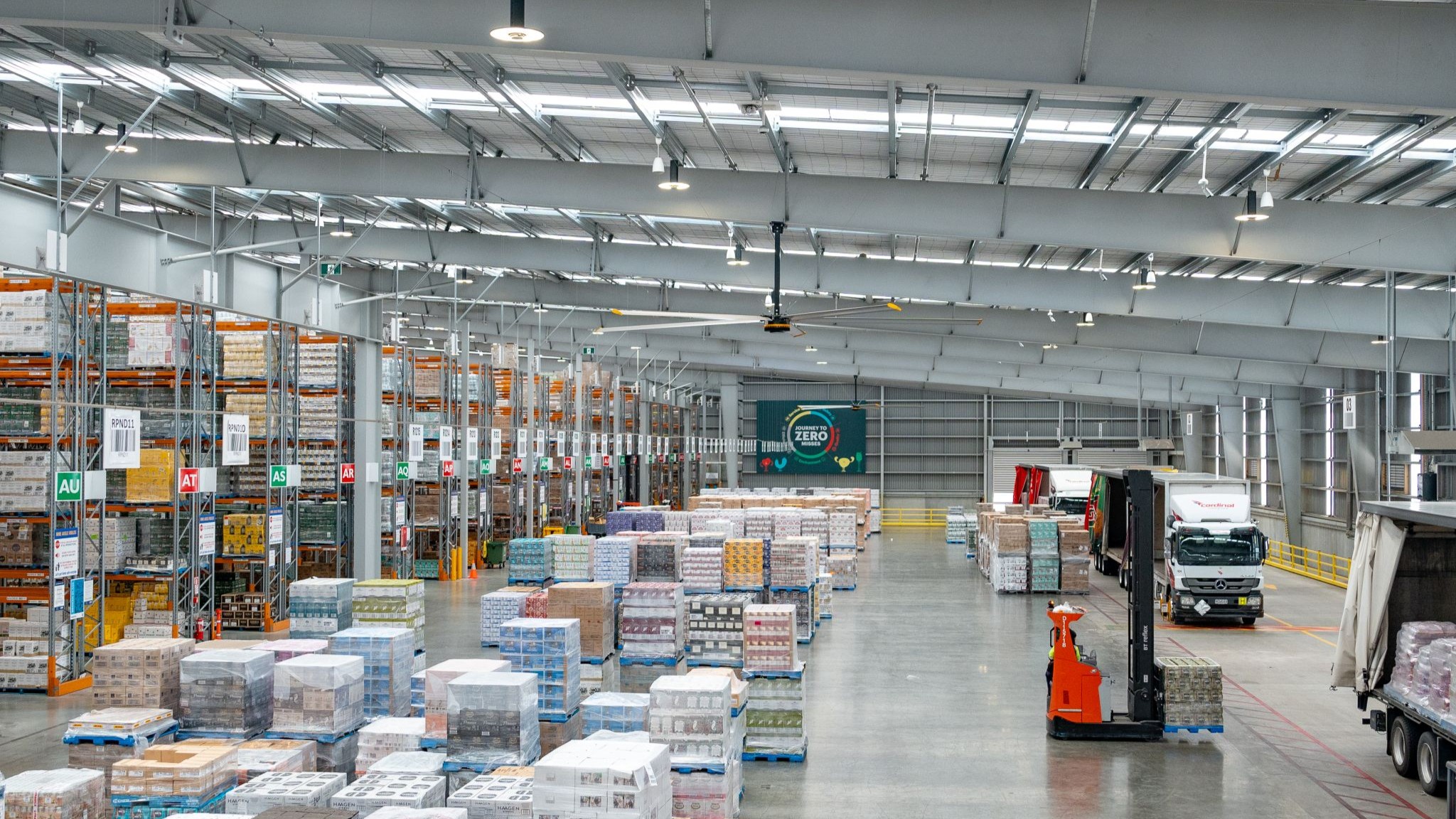
Nothing better than working under a KALE fan.
But the real question is: Does your facility need one?
For many warehouses, manufacturing plants, logistics centers, and industrial facilities, summer heat is more than just an inconvenience. Rising temperatures, stagnant air, and uneven airflow can create uncomfortable working conditions, reduce employee productivity, and increase the risk of heat-related illnesses.
Traditional cooling methods often struggle to provide effective coverage in large open spaces. Multiple small fans may create strong airflow in specific areas, but they often leave hot spots throughout the facility while consuming significant amounts of energy.
The Challenge of Large Industrial Spaces
Large facilities present unique ventilation challenges. High ceilings, vast floor areas, and limited natural airflow can cause heat to accumulate and create uncomfortable working environments.
Without proper air circulation, employees may experience fatigue more quickly, while humidity, dust, and stagnant air can negatively affect both workplace conditions and operational efficiency.
Why Traditional Fans Are Not Enough
Traditional industrial fans are designed to provide localized cooling. While they can create a strong breeze in specific areas, their coverage is limited.
To cool an entire facility, operators often need to install multiple fans throughout the building, resulting in increased energy consumption, inconsistent airflow, and higher maintenance requirements.
For growing facilities, this approach is often neither efficient nor cost-effective.
How KALE HVLS Fans Work
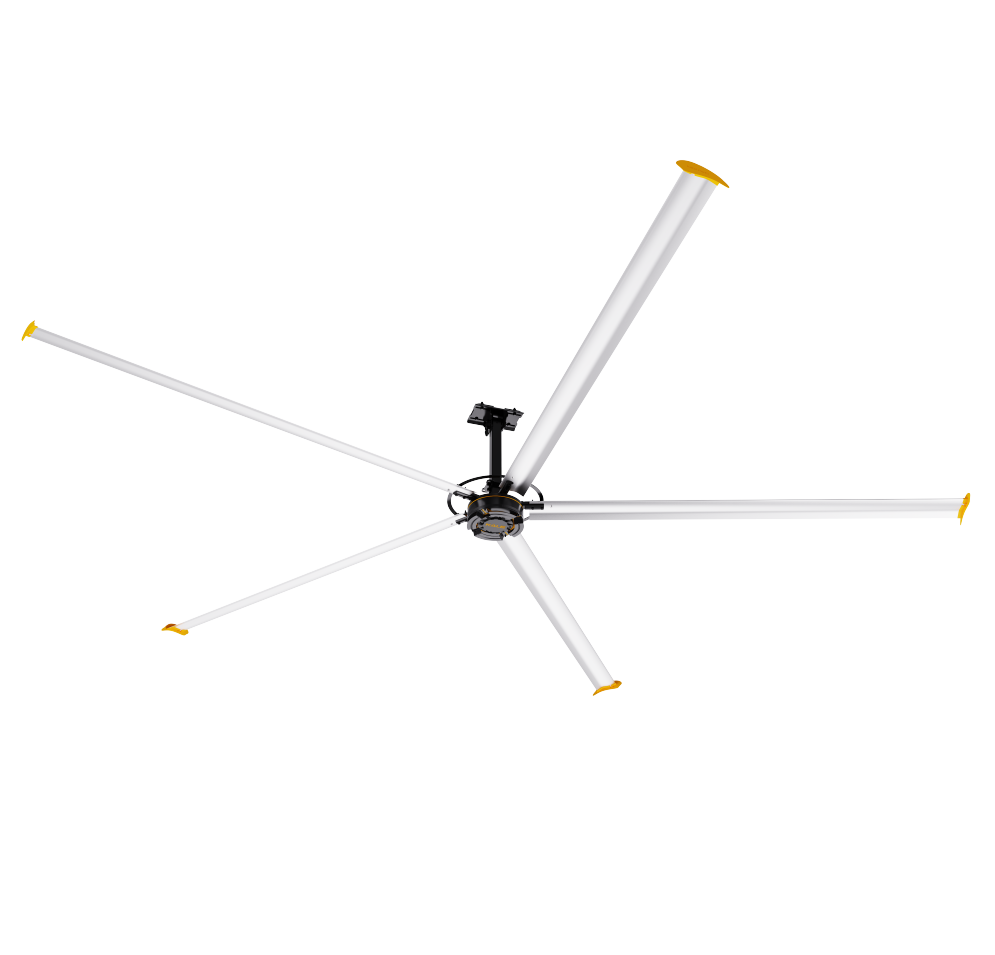
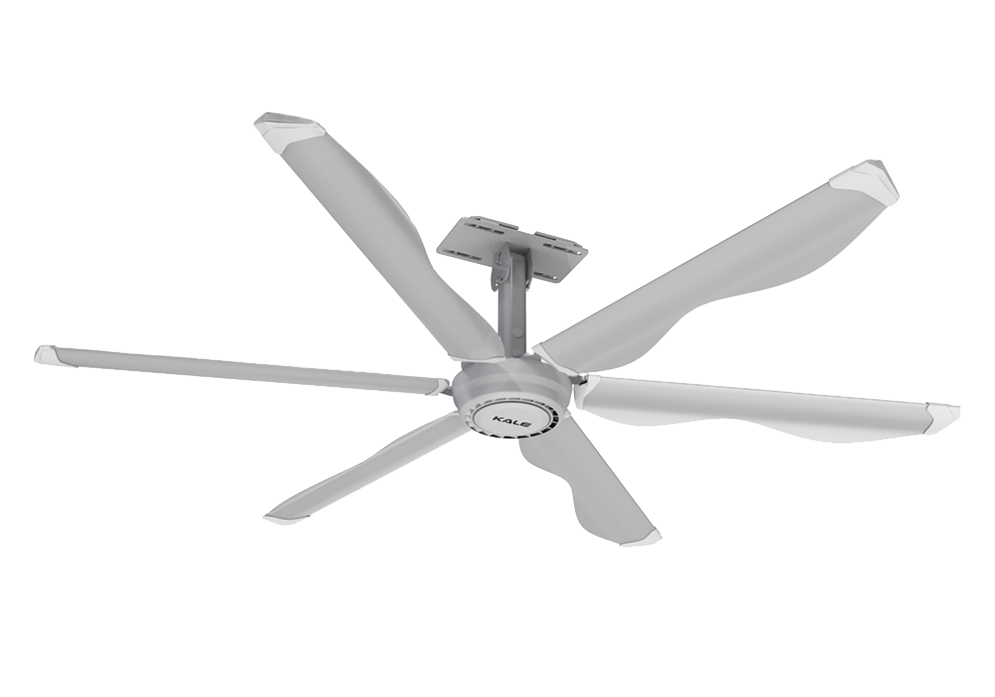
KALE HVLS (High Volume, Low Speed) Fans are designed to move a massive volume of air while operating at a relatively low rotational speed.
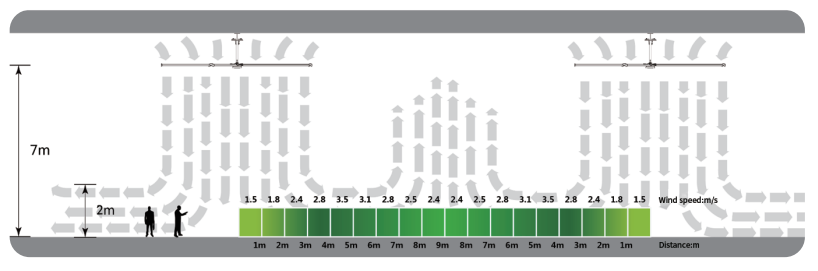
By generating gentle, consistent airflow, a single HVLS fan can cover a substantial area and create a natural cooling effect throughout the entire space. Instead of directing air at specific locations, the fan continuously circulates air from ceiling to floor, promoting balanced airflow across the facility.
The result is a more comfortable and productive environment for everyone inside.
Benefits Beyond Cooling
The advantages of HVLS fans extend far beyond temperature control.
Improved air circulation can help reduce heat stress, fatigue, and discomfort during long working hours. Continuous airflow also helps control humidity, minimize condensation, and reduce the accumulation of dust and airborne particles.
For facilities that prioritize employee wellbeing and workplace safety, these improvements can make a meaningful difference in day-to-day operations.
 |
Lower Energy Costs, Higher Efficiency
One of the biggest advantages of HVLS technology is its exceptional energy efficiency.
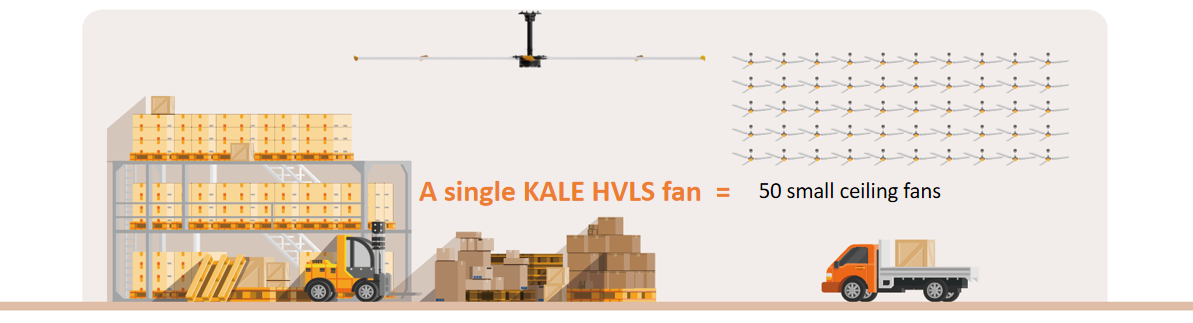
Instead of relying on numerous traditional fans to achieve acceptable airflow, a single HVLS fan can provide large-area coverage while consuming significantly less energy. This allows facility operators to improve environmental conditions while maintaining better control over operating costs.
Over time, the savings in energy consumption can contribute to a strong return on investment.
 |
Applications Across Multiple Industries
HVLS fans are widely used in a variety of commercial and industrial environments, including:
- Warehouses
- Manufacturing facilities
- Logistics and distribution centers
- Aircraft hangars
- Sports facilities and gymnasiums
- Agricultural and livestock operations
Wherever large spaces require reliable airflow and improved environmental conditions, HVLS fans can provide an effective solution.
Is It Time to Upgrade Your Facility?
The question is no longer whether airflow matters.
The question is whether your facility is getting enough of it.
If you’re looking to create a cooler, safer, and more energy-efficient environment for your workforce, it may be time to consider an HVLS fan solution.
Is your facility ready for the upgrade?
Related Articles

Sep 16, 2026
Why Do Shopping Malls Need HVLS Fans?
Discover why HVLS fans for shopping malls improve airflow, shopper comfort, and energy-efficient cooling in large commercial spaces.

Sep 10, 2026
Why Do Churches Need HVLS Fans?
Discover why HVLS fans are ideal for churches, providing quiet airflow, efficient air circulation, and energy-efficient cooling for large worship spaces.

Sep 04, 2026
Why Do Schools Need HVLS Fans?
Discover why HVLS fans are ideal for schools, gyms, cafeterias, and multipurpose halls, providing comfortable airflow and supporting energy-efficient cooling.
Similar Products
SIMILAR SOLUTIONS
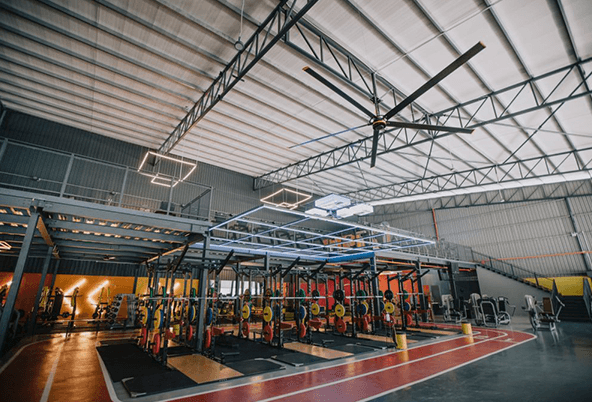
HVLS Fans Bringing a Breeze to Your Fitness Center
HVLS fans can promote better ventilation by increasing the exchange of indoor and outdoor air, improving the overall air quality within the facility.
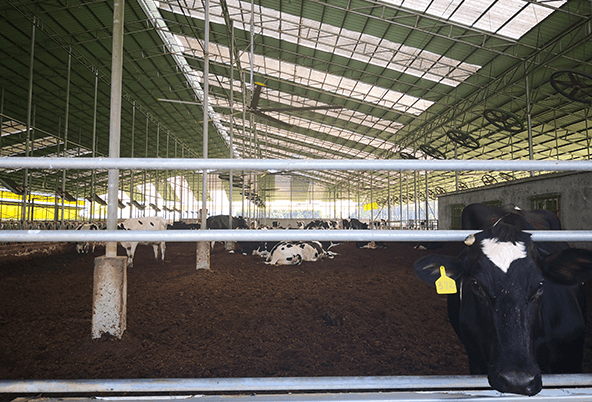
HVLS Ceiling Fan for Ventilation and Cooling of Dairy Farms
The use of large industrial ceiling fans can achieve the entire livestock breeding places and activities in the area of all-around coverage and is the ideal equipment for farm owners to control the growth environment of livestock.
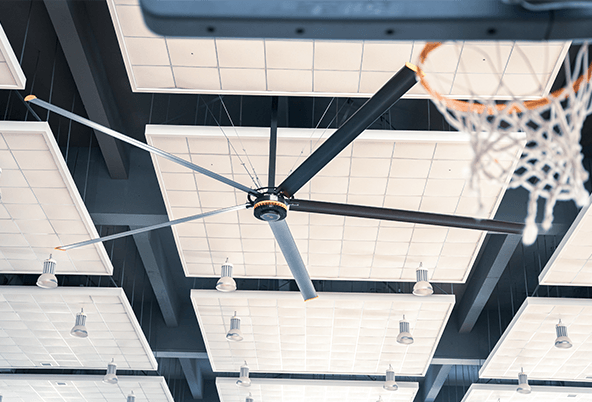
Cooling the Court: Reducing Heat Stress and Energy Costs with Kale HVLS Fans
Unlock the potential of your indoor sports facility with Kale Fans. Elevate the playing experience for athletes and spectators alike by introducing our cutting-edge fan technology. Discover how Kale Fans can make a significant impact on indoor basketball courts or football courts.